
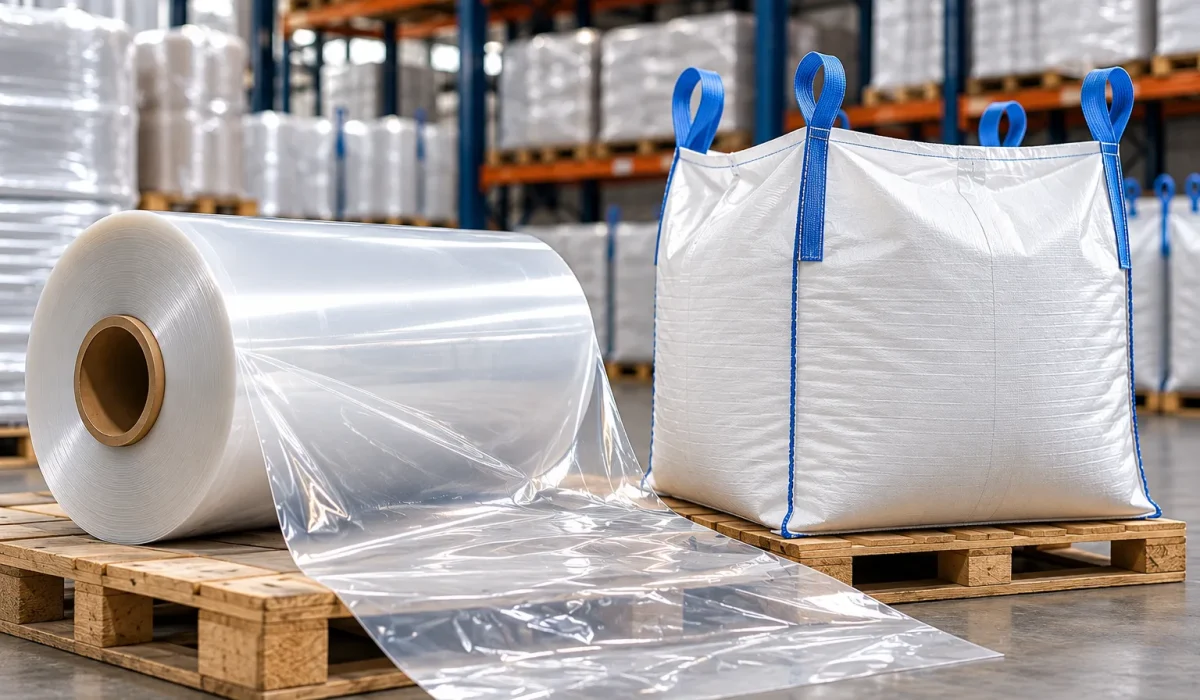
Polythene (PE) and polypropylene (PP) are two of the most widely used plastics in packaging, but they have different properties and are suited to different applications.
Understanding these differences can help businesses choose the right packaging material for their products, handling requirements and environmental objectives.
Key Differences at a Glance
Strength
Polypropylene is generally more rigid, while polythene offers flexibility and toughness.
Flexibility
Polythene is typically softer and more flexible, making it ideal for films, bags and sheeting.
Temperature Resistance
Reprocessed into building films and rubble sacks
Applications
Polypropylene generally withstands higher temperatures than polythene.
What Is Polythene Packaging?
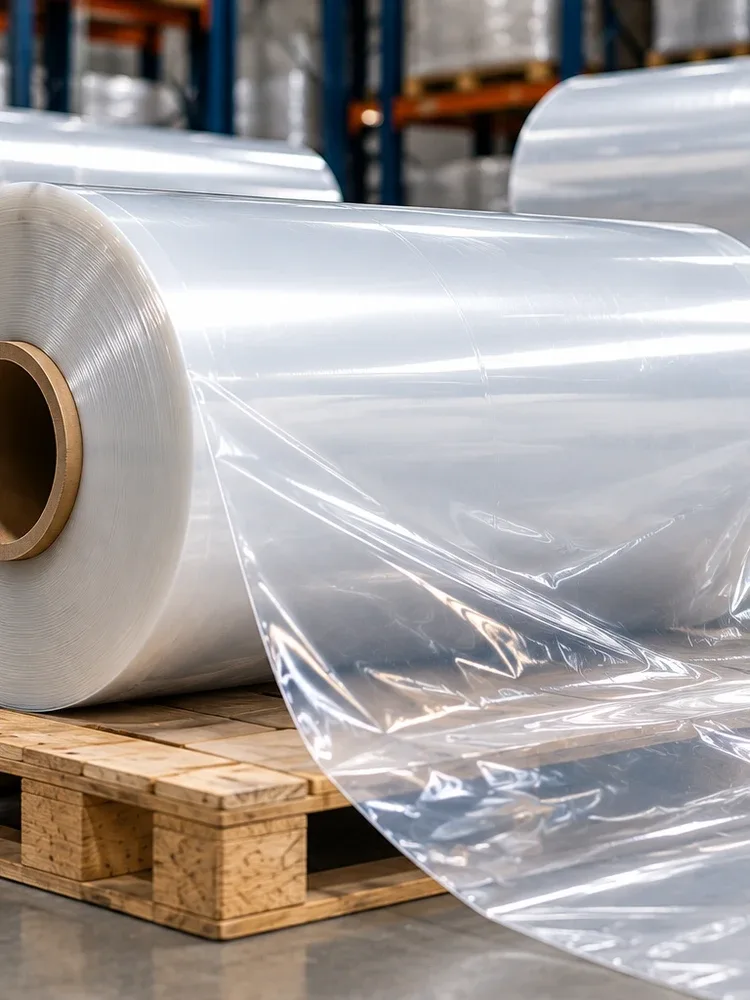
Polythene, also known as polyethylene (PE), is one of the most widely used materials in industrial packaging. Lightweight, flexible and durable, it provides excellent moisture resistance and can be manufactured in a variety of thicknesses, widths and formats.
Its versatility makes it suitable for everything from protective films and sheeting to industrial bags and lay-flat tubing.
Key benefits of polythene packaging:
- Lightweight and flexible
- Excellent moisture resistance
- Available in different thicknesses and formats
- Can be manufactured with recycled content
- Suitable for bags, films, sheeting and protective packaging
What Is Polypropylene Packaging?
Polypropylene (PP) is a strong, lightweight and durable plastic widely used in industrial packaging. Compared with polythene, it generally offers greater rigidity and higher temperature resistance.
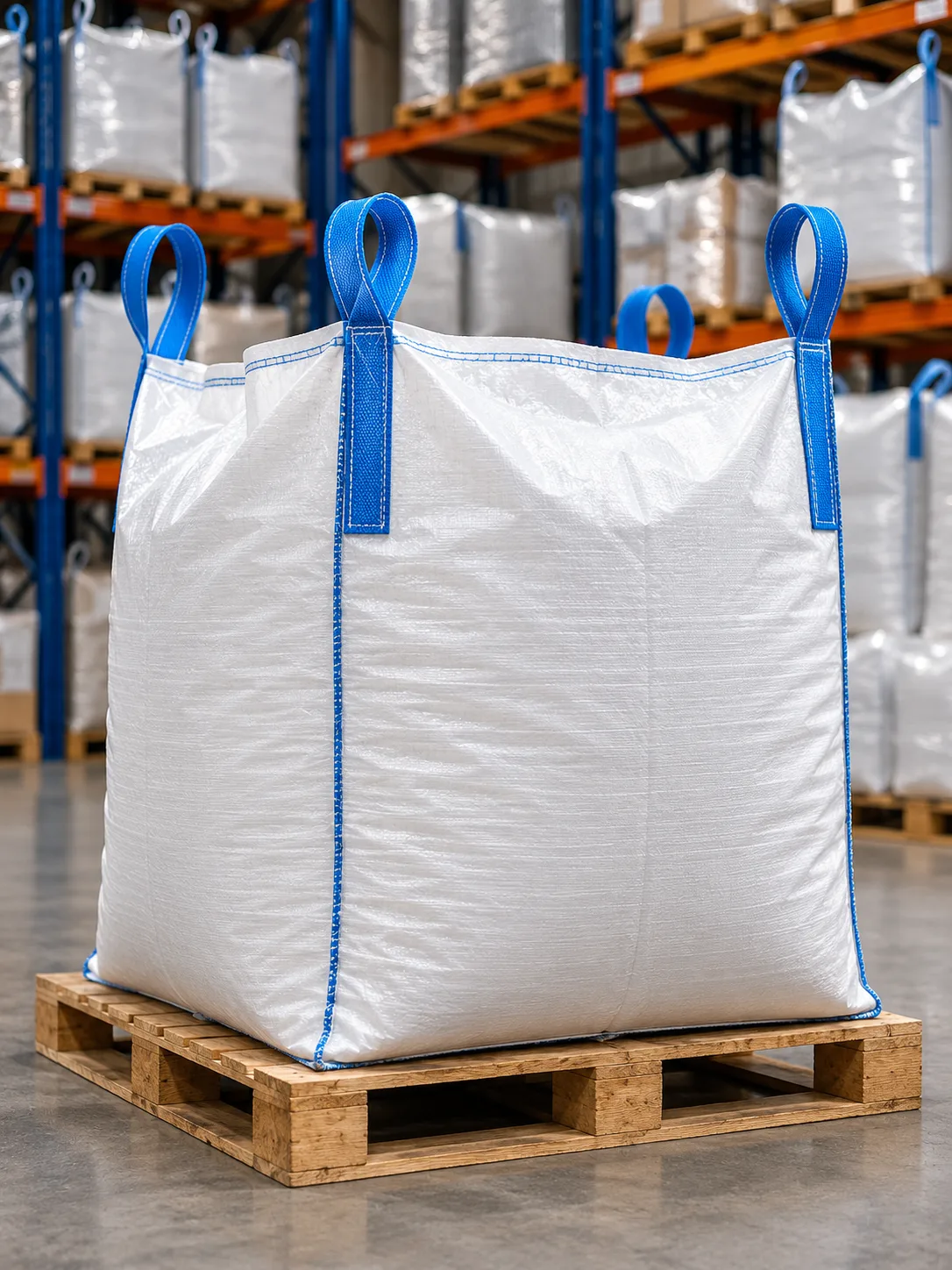
Woven polypropylene is particularly suitable for heavy-duty packaging, including bulk bags, sacks and containers used to transport and store industrial materials.
Key benefits of polypropylene packaging:
- Strong and durable
- Excellent tear and abrasion resistance in woven formats
- Higher temperature resistance than polythene
- Lightweight and suitable for heavy-duty applications
- Widely used for woven sacks and bulk bags
Polythene vs Polypropylene – Side by Side
| Property | Polythene (PE) | Polypropylene (PP) |
|---|---|---|
| Strength | Flexible and tough | Generally more rigid |
| Flexibility | Typically high | Generally lower |
| Temperature Resistance | Lower heat resistance | Higher heat resistance |
| Moisture Resistance | Excellent | Excellent as a material; woven fabrics may require coating or lining |
| Typical Packaging | Films, bags, sheeting and tubing | Woven sacks and bulk bags |
| Recycled Content | Available in suitable grades | Available depending on product requirements |
Which Packaging Material Is Right for Your Application?
Choosing between polythene and polypropylene depends on the product being packaged, how it will be stored and transported, and the performance required.
Polythene is often the preferred choice for flexible packaging, protective films, bags and sheeting, particularly where moisture resistance and flexibility are important.
Polypropylene is widely used for woven sacks and bulk bags, where strength, durability and load-handling performance are essential.
At NDC Polipak, we supply a wide range of polyethylene and polypropylene packaging solutions. Our team can help you identify the most suitable materials, formats and specifications for your application.
Need Help Choosing the Right Packaging Material?
Contact NDC Polipak for advice on selecting the right packaging solution for your business.